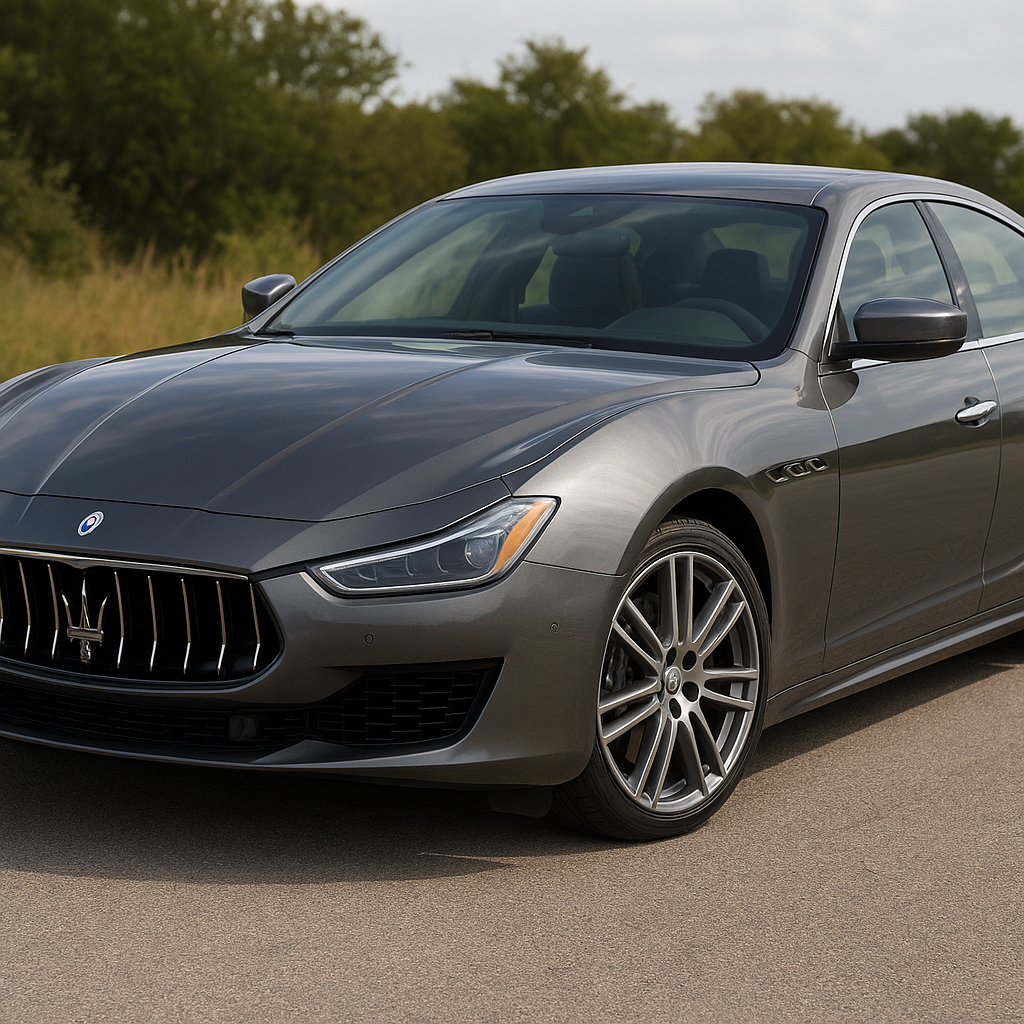
Maserati makes luxury cars known for distinctive styling, powerful engines, and engaging driving experiences, but reliability is not necessarily the brand’s strongest selling point. Some models receive moderate reliability ratings, and maintenance or repairs can be expensive compared with more mainstream luxury vehicles. However, not every Maserati is unreliable. Dependability varies by model, production year, mileage, and maintenance history. Buyers should also distinguish between build quality, long-term mechanical reliability, and repair costs before deciding whether a Maserati is a good investment.
Are Maseratis Reliable Cars?
Maserati has a mixed reputation for reliability. Its vehicles offer performance and exclusivity, but ownership can involve higher expenses and more specialized maintenance than buyers might expect.
Older examples may require attention to electronic systems, suspension components, cooling systems, and other mechanical parts. However, these concerns vary across models and generations.
Reliability also depends heavily on previous maintenance. A carefully serviced Maserati with documented repairs may be a better purchase than a newer vehicle with incomplete service records.
Importantly, an expensive repair does not necessarily indicate a high failure rate. Luxury performance vehicles often use costly components, making even relatively infrequent repairs financially significant.
Maserati Reliability Ratings
Independent reliability studies provide useful information, although their results depend on the methods used to evaluate vehicles.
According to iSeeCars’ 2026 Maserati reliability analysis, several Maserati models received the following scores:
| Maserati Model | Reliability Rating |
|---|---|
| GranTurismo Coupe | 7.4/10 |
| Ghibli | 6.9/10 |
| Quattroporte | 6.5/10 |
These are individual model scores, not a single overall Maserati brand rating. iSeeCars evaluates reliability primarily through vehicle longevity and the likelihood of reaching higher mileage.
Consumer Reports did not assign Maserati a brand reliability ranking for 2026 because it lacked sufficient survey data. Its methodology considers reported problems across multiple vehicle systems and model years.
The absence of a Consumer Reports ranking does not prove that Maserati vehicles are either reliable or unreliable. It means the available sample was insufficient for a comparable brand-level assessment.
Further details about the survey methodology appear in Consumer Reports’ vehicle reliability rankings.
Common Maserati Problems
Potential problems differ between Maserati models and production years. The following categories are worth investigating when considering a used vehicle.
Electrical and Electronic Issues
Some owners report problems involving infotainment systems, sensors, warning messages, and electronic accessories. Electrical faults may require specialized diagnostic equipment, and repairs can become expensive when replacement modules are involved.
Engine and Cooling System Problems
Cooling-system leaks, aging hoses, and other engine-related components deserve attention during inspections of older Maseratis.
There have also been documented safety recalls affecting specific vehicles. For example, certain 2021–2022 Ghibli and Quattroporte models were recalled because a fuel-line sensor housing could crack and cause a fuel leak.
This is a confirmed issue affecting particular vehicles, not evidence that every Maserati engine suffers from the same defect.
Transmission Concerns
Unusual shifting behavior, hesitation, or transmission warning messages should be investigated before buying a used Maserati.
However, transmission design differs between generations. Problems associated with older automated-manual systems should not automatically be attributed to newer models using conventional automatic transmissions.
Suspension Wear
Suspension bushings, control arms, dampers, and related components may require replacement as vehicles accumulate mileage.
Repairs can be particularly costly when the vehicle uses advanced adjustable or air suspension systems.
Interior and Trim Issues
Some used examples may develop rattles, worn switches, loose trim, or aging interior materials. These problems affect perceived quality but do not necessarily indicate serious mechanical unreliability.
For vehicle-specific safety concerns, owners can enter a VIN into the NHTSA recall database to check for outstanding recalls.
Maserati Reliability by Model
Maserati Ghibli: This sports sedan is widely available on the used market. Buyers should pay attention to maintenance records, electronic functions, cooling-system condition, and previous repairs. Reliability varies considerably with age and upkeep.
Maserati Levante: The brand’s luxury SUV combines performance with advanced suspension and electronic systems. Its complexity makes proper maintenance especially important. Inspect air suspension components on equipped vehicles.
Maserati Quattroporte: This large luxury sedan offers comfort and performance but can involve expensive servicing as it ages. Older examples require careful evaluation of engine condition, suspension, and electronic equipment.
Maserati Grecale: Introduced for the 2023 model year, the Grecale is relatively new compared with Maserati’s established sedans. Long-term reliability data remains limited, so early ownership reports should not be treated as definitive lifetime predictions.
Maserati GranTurismo: Reliability and maintenance needs differ between the original generation and the newer model. Older vehicles require particular attention to age-related wear and service history, while newer versions have less long-term ownership data.
Maserati Build Quality: Is It a Good Luxury Car?
Maserati quality involves more than mechanical dependability. The brand emphasizes Italian styling, distinctive interiors, and performance-oriented engineering.
Many models feature leather upholstery, attractive trim materials, and comfortable seating. The driving experience and engine character are also important parts of their appeal.
However, interior quality varies between models and generations. Some older vehicles have been criticized for dated infotainment systems, shared components, and cabin details that may not meet every buyer’s expectations at their original price.
Newer models generally offer more advanced digital interfaces and updated interior designs.
Good materials and attractive styling can contribute to a premium experience, but neither guarantees long-term reliability or flawless assembly.
Are Maseratis Expensive to Maintain?
Maserati ownership can be expensive, particularly after the factory warranty expires.
Several factors contribute to maintenance costs:
- Parts prices: Original components can be expensive, especially for specialized performance systems.
- Specialized labor: Some repairs require technicians familiar with Maserati vehicles and diagnostic equipment.
- Performance components: Tires, brakes, and suspension parts may cost more than equivalent items for ordinary passenger cars.
- Unexpected repairs: Electronic modules, engine components, and major mechanical work can significantly increase expenses.
Routine maintenance and unexpected repairs should be budgeted separately. An oil change is a predictable expense, while replacing a failed electronic control unit is not.
For new Maserati vehicles sold in the United States, the standard factory warranty generally provides coverage for four years or 50,000 miles, whichever comes first, subject to the manufacturer’s conditions.
Actual maintenance expenses depend on the model, mileage, location, and service provider. Buyers should request estimates for the specific vehicle rather than relying on a universal annual cost.
Is a Maserati Worth Buying?
A Maserati can be an appealing choice for drivers who value Italian styling, exclusivity, and a distinctive driving experience. However, buyers prioritizing predictable expenses and long-term dependability should carefully assess the risks of ownership.
Before purchasing a used Maserati, review its complete service history, arrange an independent inspection by a qualified specialist, and check its VIN for outstanding recalls.
Consider the availability of local service facilities and set aside money for unexpected repairs, particularly when purchasing an older vehicle without warranty coverage.
Ultimately, Maserati reliability depends on the specific car rather than the badge alone. A well-maintained example may provide satisfying ownership, but buyers should be prepared for the potentially high costs associated with a specialized luxury performance vehicle.